Wet end · Model SF range

Single Facer Corrugation Machine

for stable single-face board

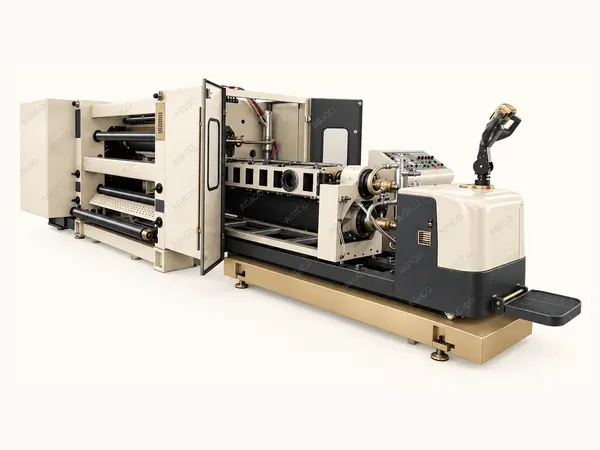
An AGICO single facer corrugation machine forms the flute, glues the tips and bonds the liner into a single-face web, fixing the board quality every downstream section inherits.

Cassette, fingerless vacuum or oil-electric — specified around the board you sell.

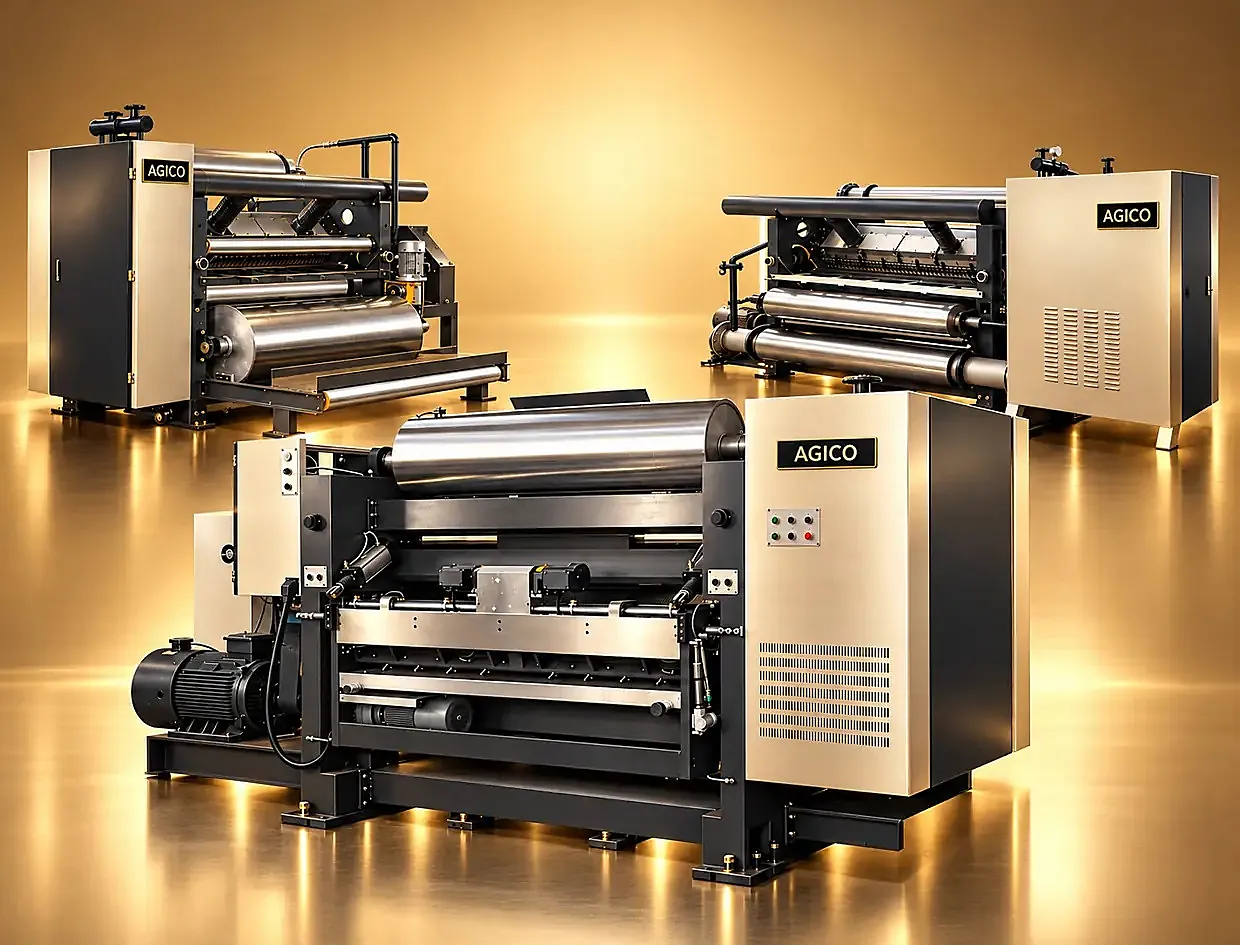
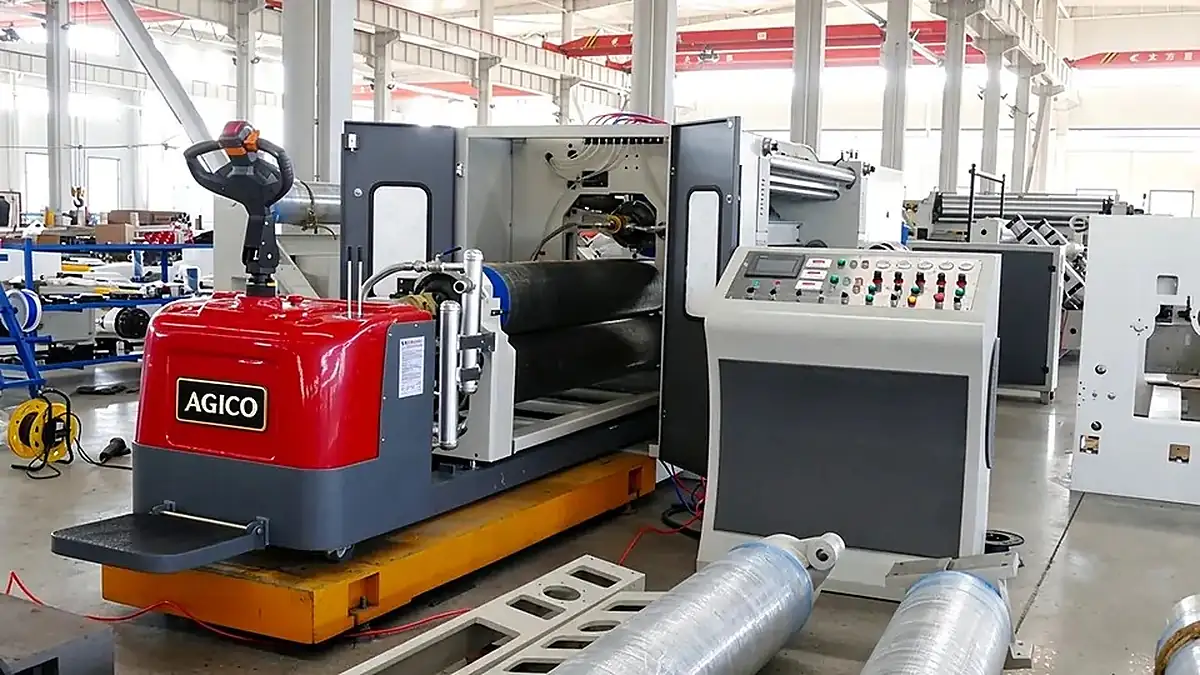
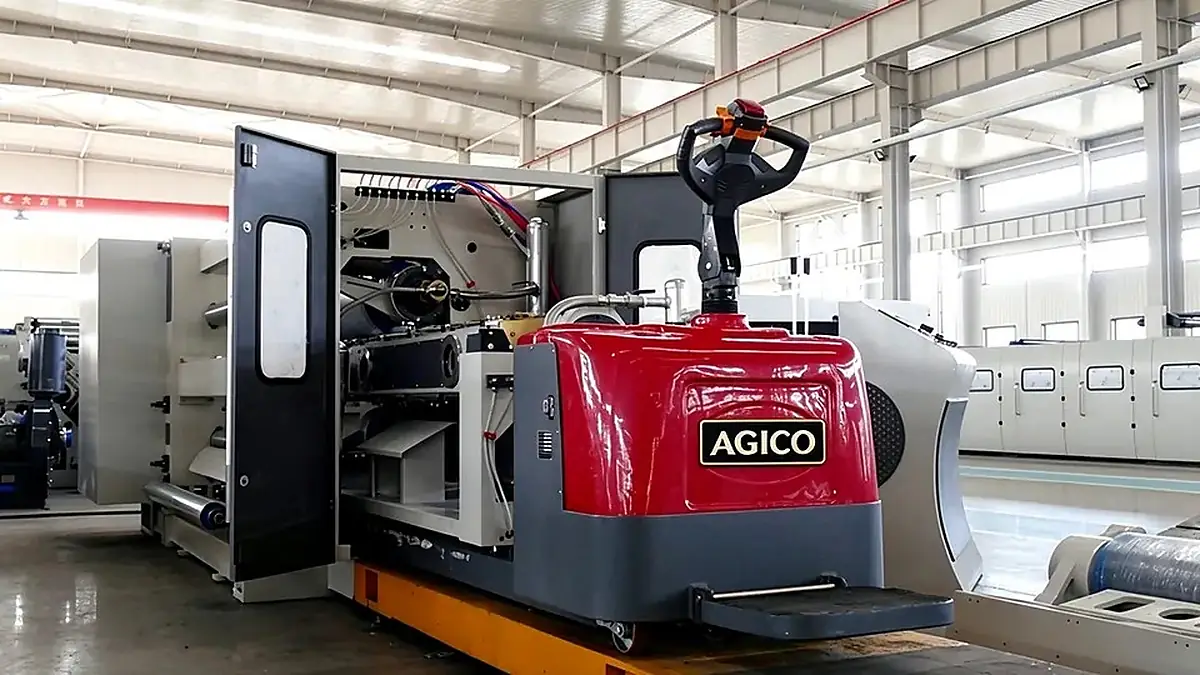
AGICO single facer corrugation machines, cassette and fingerless vacuum models

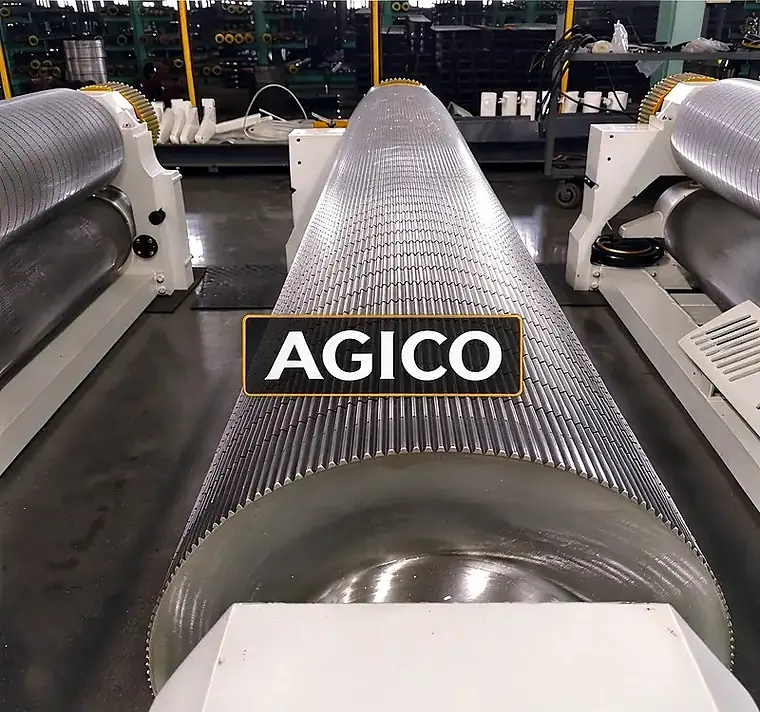
Corrugating rolls made in-house

Cut, quenched, CNC-hobbed, tungsten-carbide coated, ground and balanced under one roof.

Web control matched to the paper

Vacuum or hood suction with adjustable air volume, set for the flute and speed you run.

Flute changes without the guesswork

Cassette and trolley changeover, about 15 minutes on the cited cassette models.

Glue film you can hold stable

Adjustable quantity, electric glue separation and circulating supply on the cited units.

Machine selection guide

Find the Right Single Facer for Your Production

Start with the production need that matters most. Each route points to a specific machine configuration to discuss with AGICO.

Five production needs · five recommendations
  1. 01
    Your production need

    Frequent flute changes with less production interruption

    Recommended machineCassette Single Facer

    Prepared roll cassettes and a trolley-assisted change route make this the clear choice when several flute profiles must run.

  2. 02
    Your production need

    Stable web control across a broad paper range

    Recommended machineFingerless Vacuum Single Facer

    Adjustable negative pressure holds the medium to the corrugating roll and supports reliable forming across changing paper conditions.

  3. 03
    Your production need

    A small or medium plant without a heating furnace

    Recommended machineOil-electric Heating Single Facer

    Its self-contained thermal-oil circuit reduces dependence on a central steam or thermal-oil system.

  4. 04
    Your production need

    A complete corrugator for 3, 5 or 7 ply board

    Recommended machineHigh-speed Vacuum or Cassette Single Facer

    Choose the vacuum or cassette architecture according to flute-change frequency, then match it to the bridge, glue machine and double facer.

  5. 05
    Your production need

    Dedicated single-face sheets or web output

    Recommended solutionSingle Facer Line with Slitter & Cut-off

    Combine the selected single facer with a slitter, cross cutter and collector or stacker to deliver saleable single-face output.

Machine gallery

Ten views of the single facer range

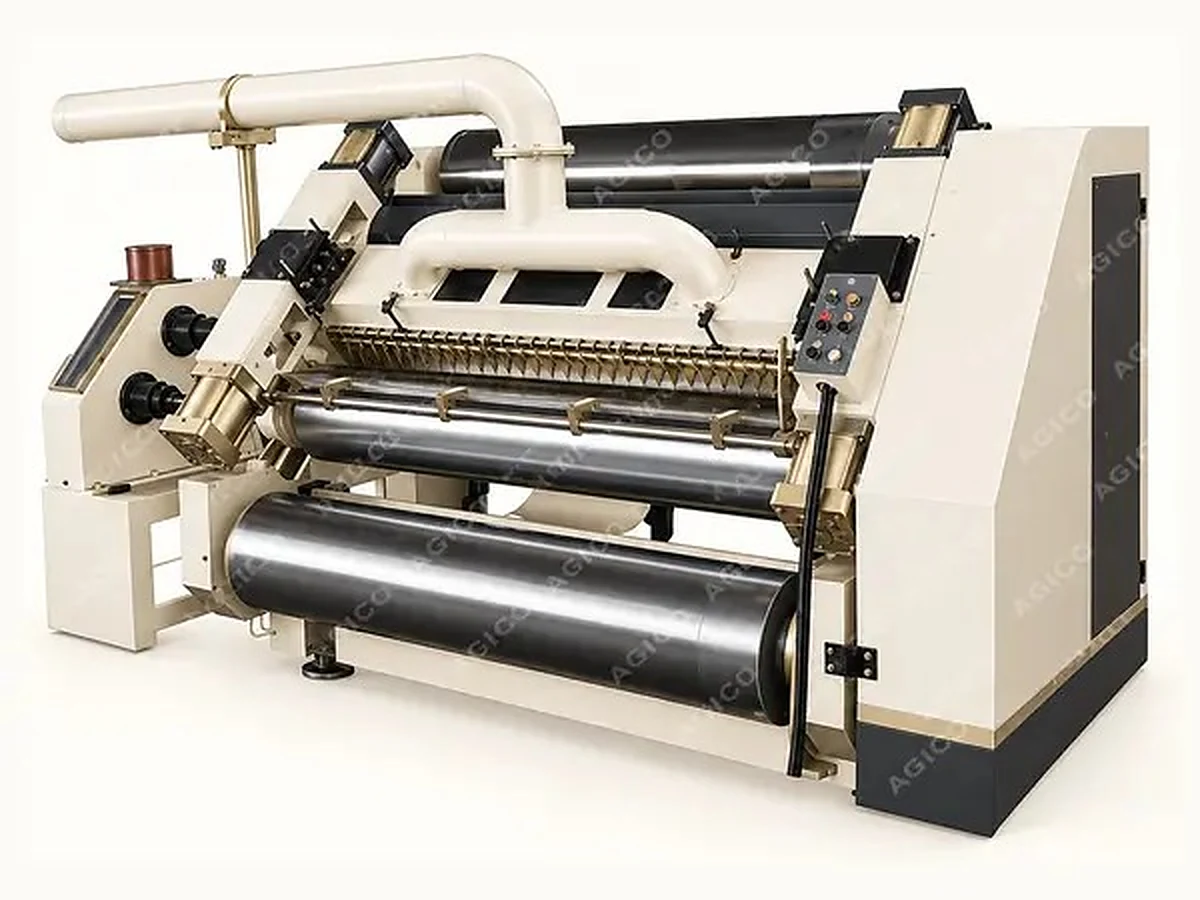
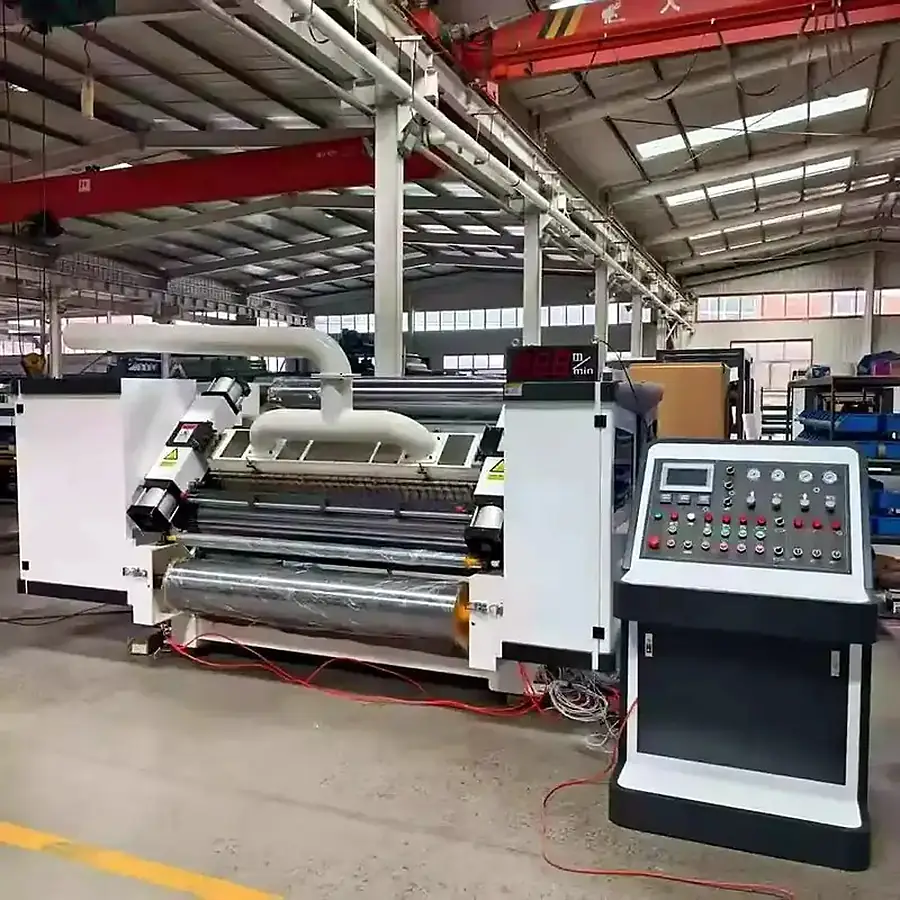
Cassette single facer with its roll cassette and operator console
Cassette · operator sideSF-20 / 30 / 35
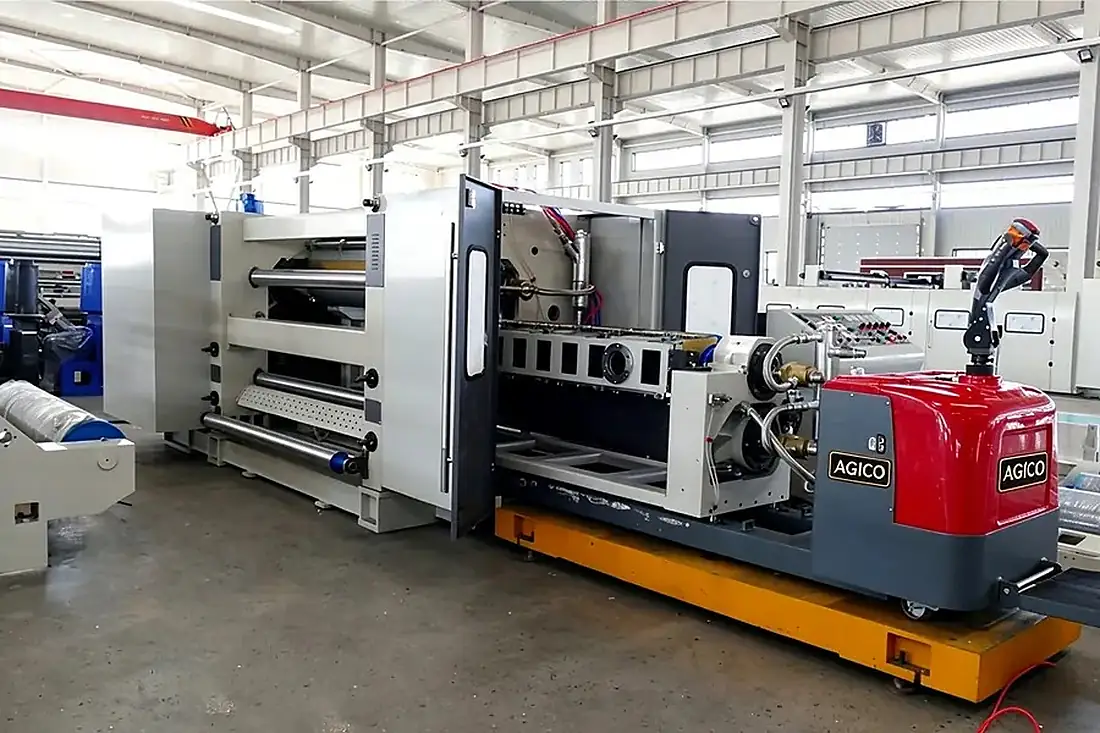
Cassette single facer seen from the roll-change side
Cassette · roll-change sideSet handled by trolley
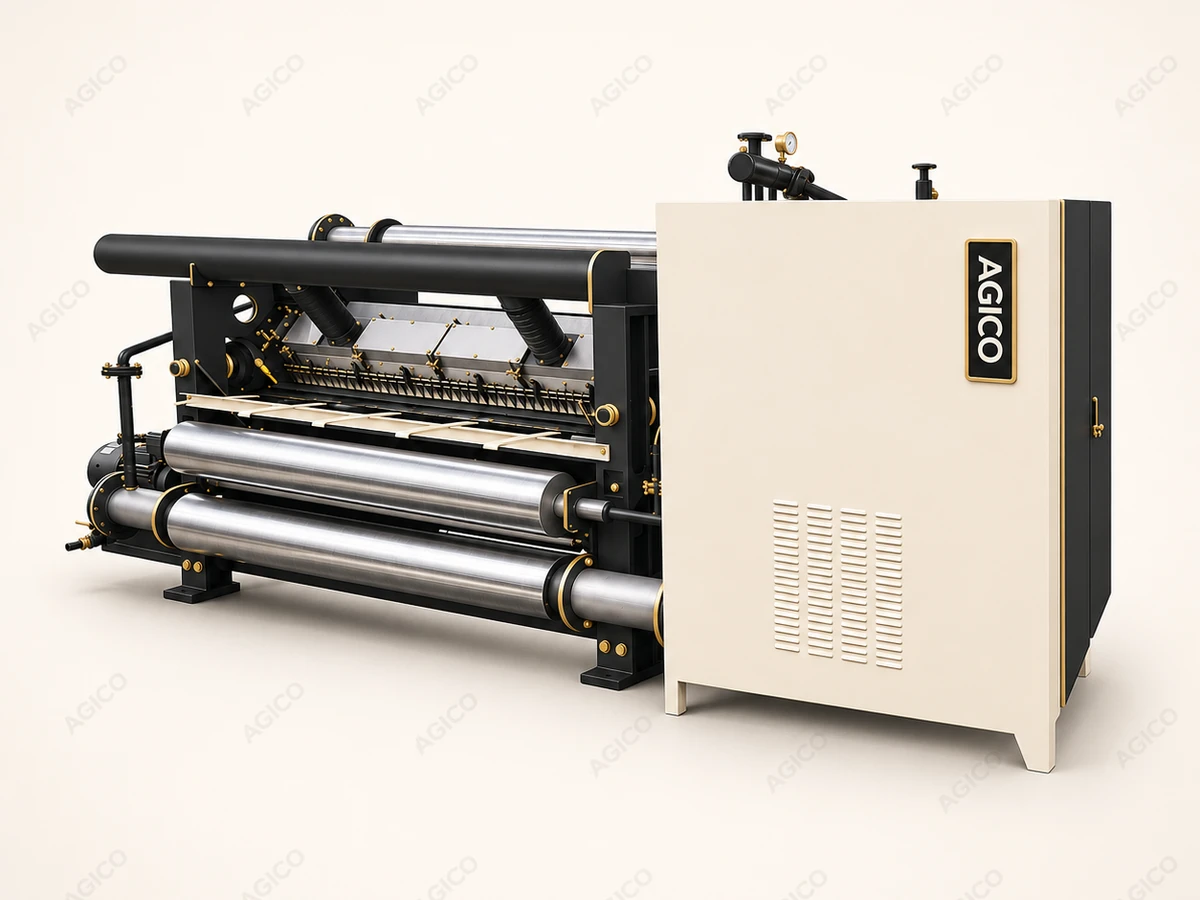
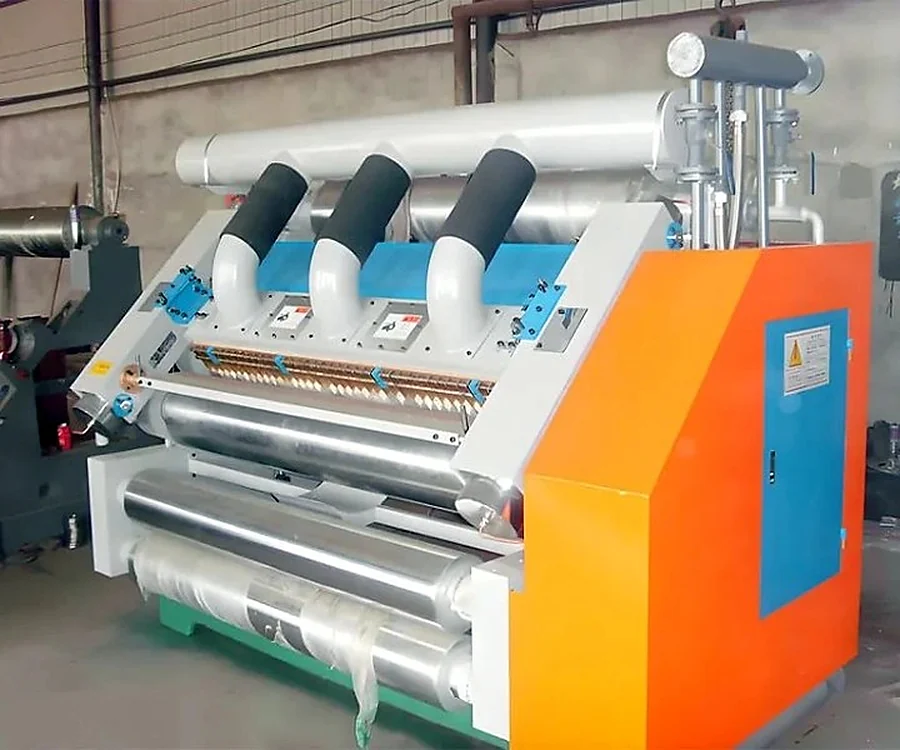
Oil-electric heating single facer with orange side guard
Oil-electric heatingSF-10A
SF-10A operator console with temperature controllers
SF-10A · control consoleTwo-group control
Oil-electric single facer front view with heating ducts
SF-10A · front viewHeating ducts
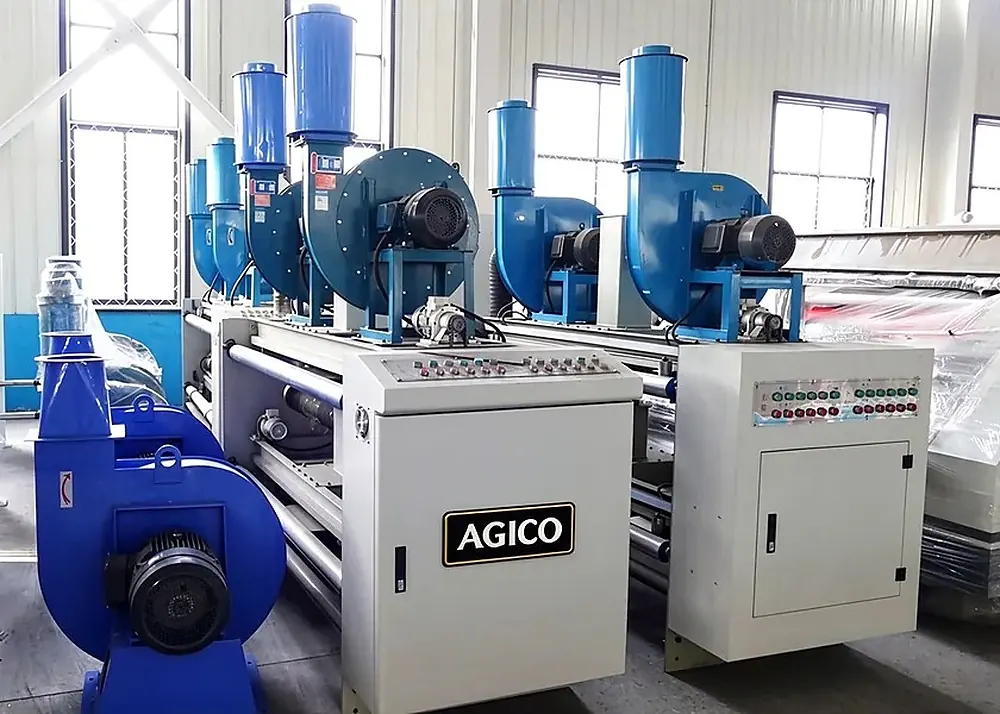
High-pressure exhaust fans and duct on a fingerless vacuum single facer
Fingerless vacuum · fansHigh-pressure duct
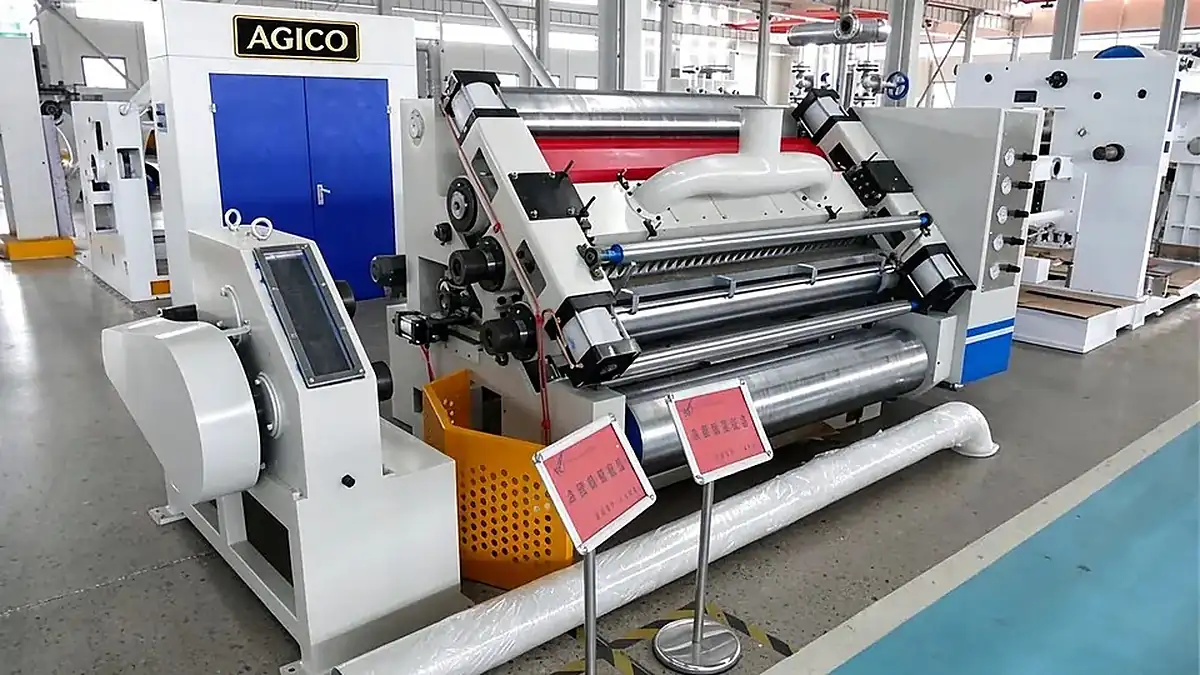
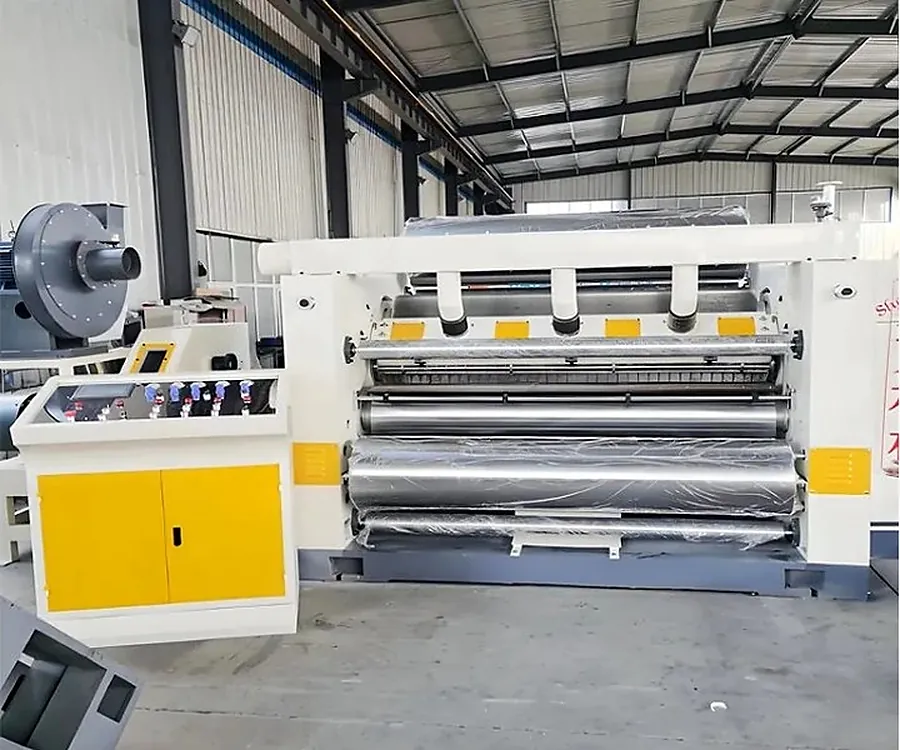
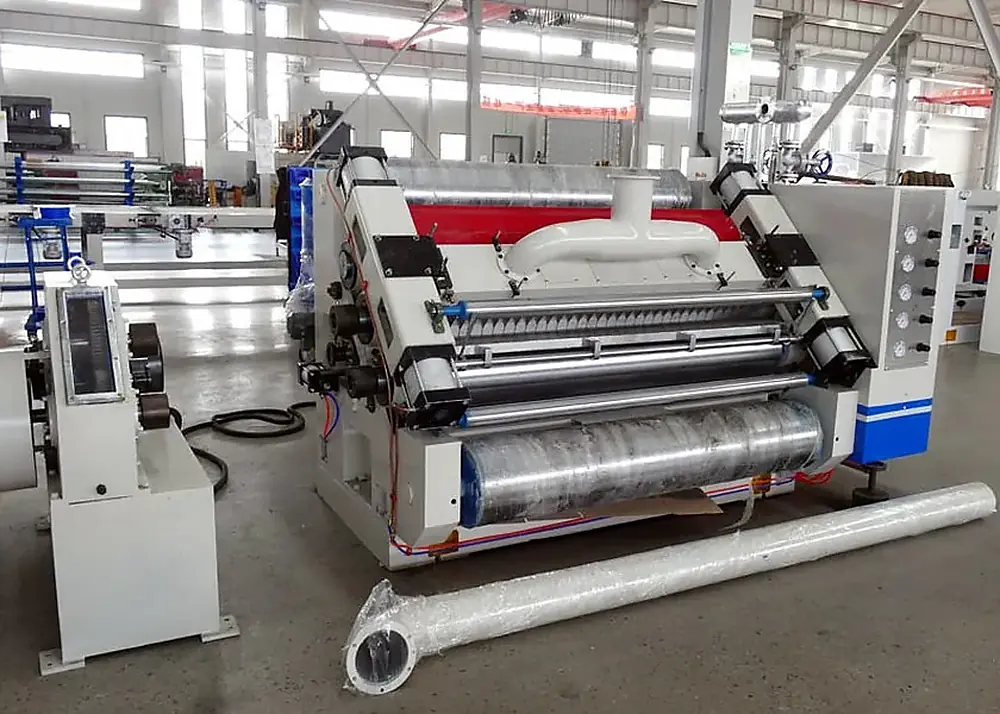
Vacuum single facer standing on the assembly floor
Vacuum · assembly floorSF-320C / 360C / 380C
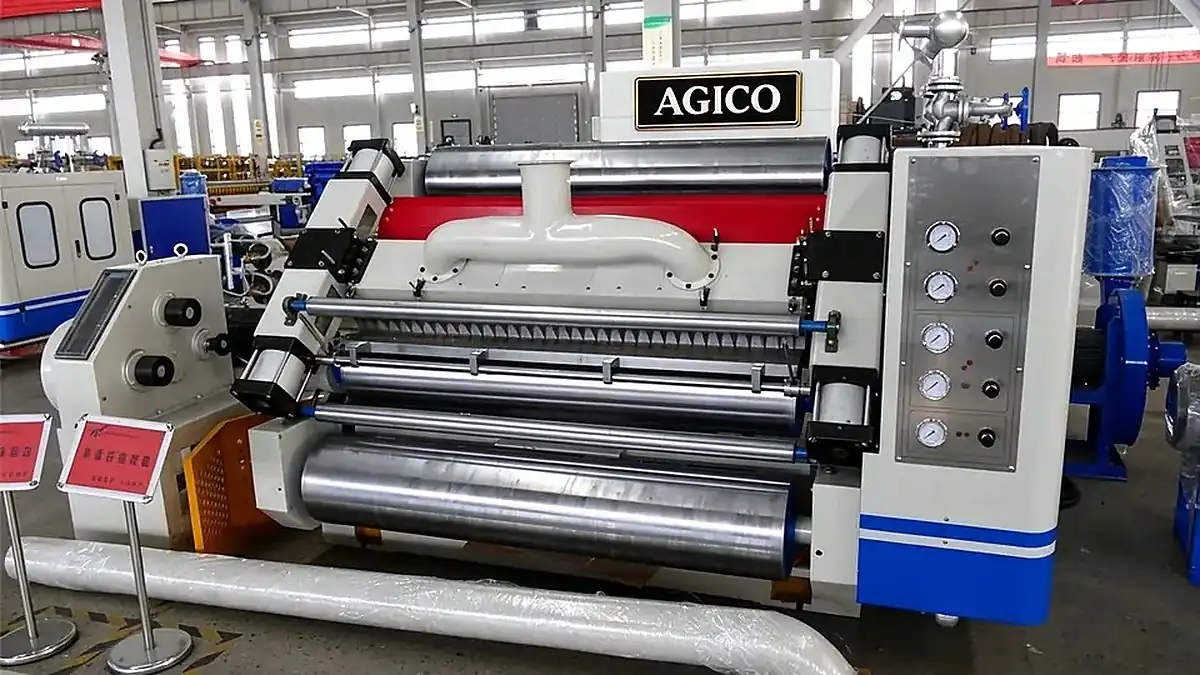
Vacuum single facer front view with pressure-roll gauge panel
Vacuum · front viewSF-320C / 360C / 380C
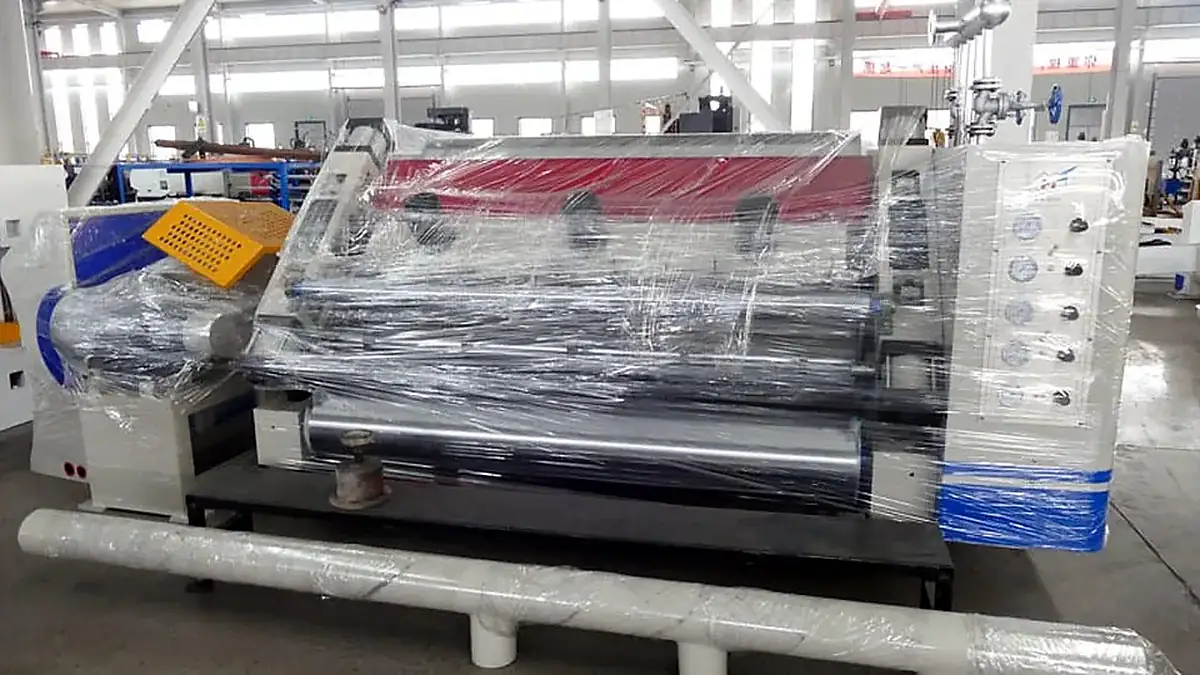
Vacuum single facer wrapped for shipment
Vacuum · wrappedBefore dispatch
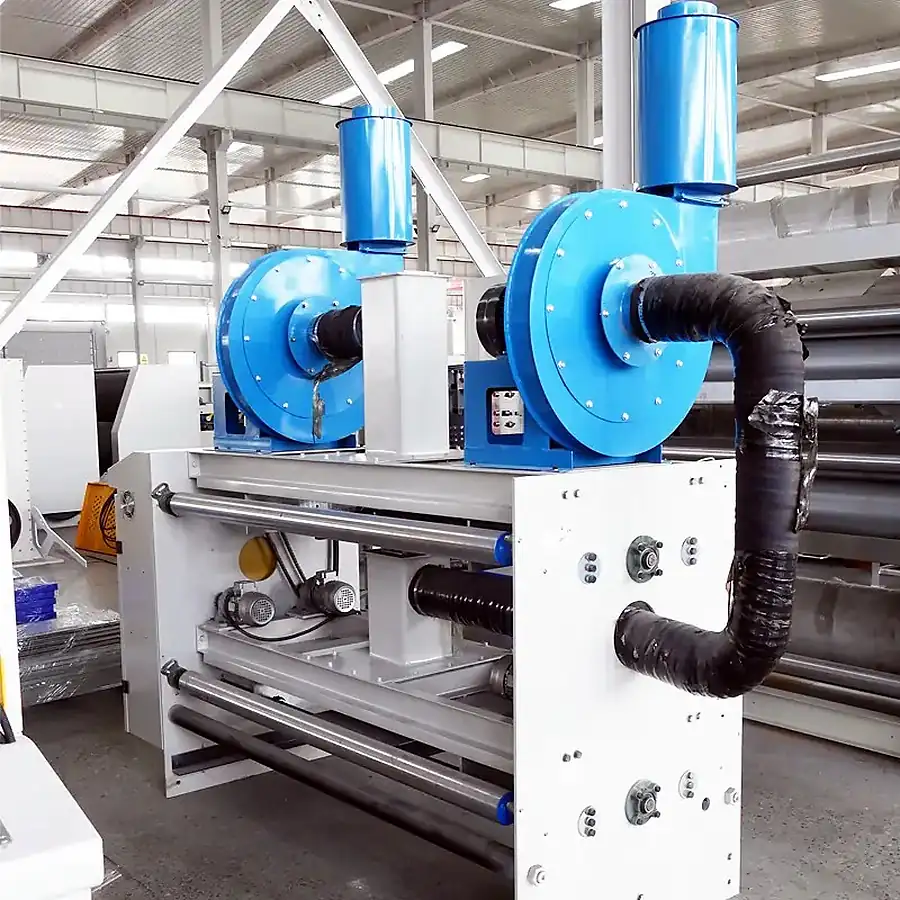
Vacuum single facer drive side with fan units
Vacuum · drive sideSF-320C / 360C / 380C
01 · Why choose

Why Choose AGICO

Why AGICO single facers are configured around the board you sell

AGICO does not position the single facer as a fixed “one-model-fits-all” machine. The forming method, corrugating-roll diameter, flute set, vacuum arrangement, glue section, heat source and control interface all follow the board programme.

A factory with a narrow, stable flute mix has one requirement. A converter changing flute profiles across short order runs has another. A project that needs a dedicated single-face cutting line has a third.

What this page provesFive equipment advantages, each one a point you can check in a proposal rather than a claim you have to believe.
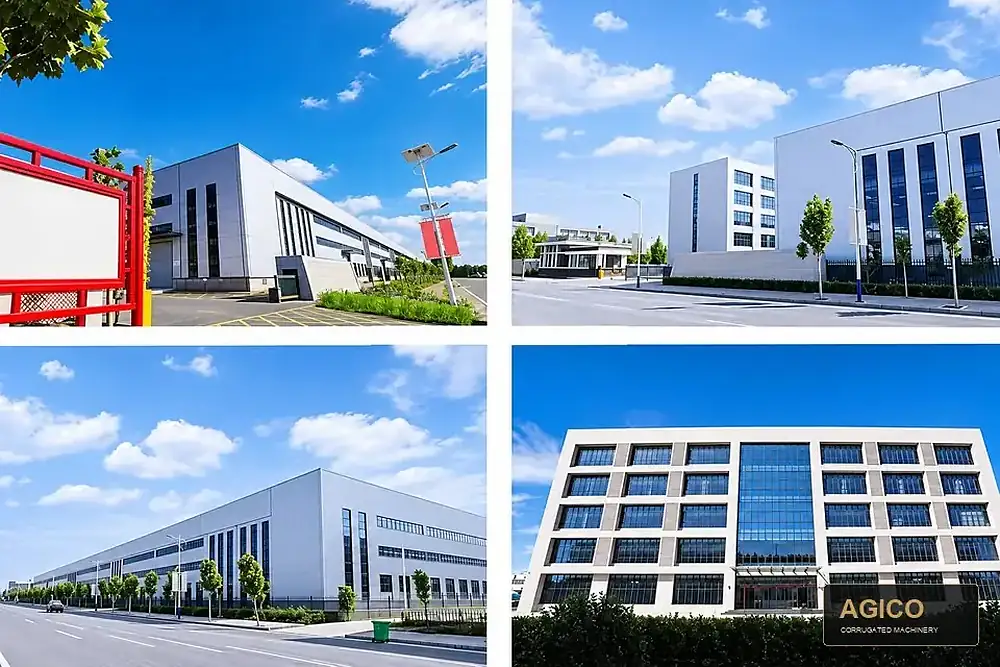
AGICO corrugated machinery factory buildings and production halls
01 · PlantProduction halls and machine-building workshops.
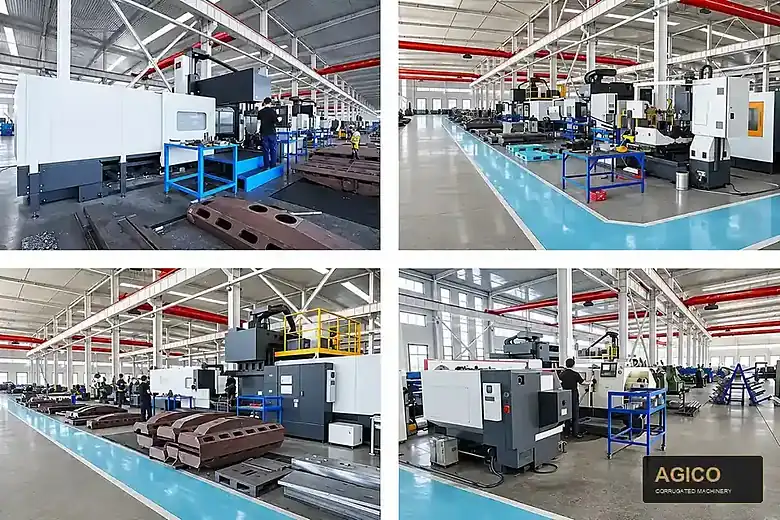
CNC machining area where large machine frames and castings are cut
02 · MachiningLarge frames and roll bodies cut on CNC machining centres.
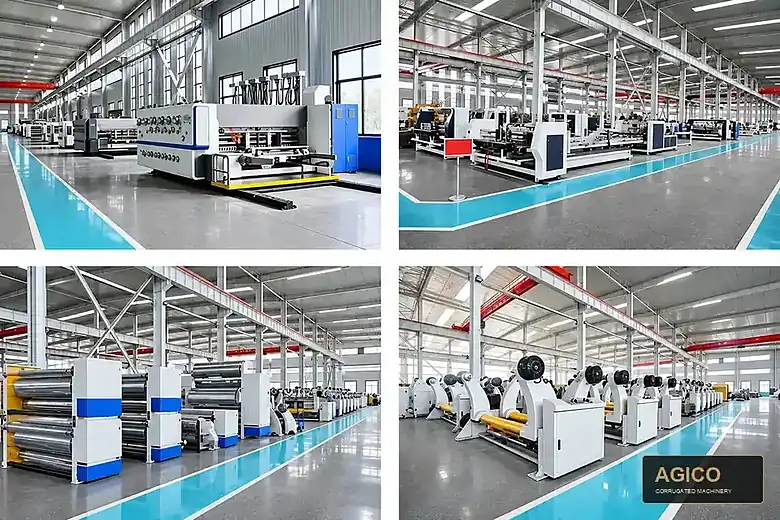
Assembly area with corrugated machinery units built in a row
03 · AssemblyUnits assembled and run in before dispatch.
—

Five equipment advantages that matter commercially

01

Corrugating-roll controlAlloy-steel roll route, heat treatment, CNC flute machining, tungsten-carbide coating, grinding and dynamic balancing.

A clearer basis for discussing flute accuracy, wear resistance and spare-roll planning.

02

Controlled web pathNegative-pressure or hood-suction paper holding with a high-pressure fan; adjustable air volume on the relevant configurations.

Better ability to match web control to paper, flute and speed conditions.

03

Faster flute-change strategyCassette and trolley architecture on the selected models.

Supports scheduled flute changes with a defined handling route and less uncertainty around roll-set work.

04

Glue stabilityAdjustable glue quantity, glue separation and circulating glue supply in the cited configurations.

Helps control bond quality and glue condition rather than relying on excess adhesive.

05

Maintenance accessMobile or side-shift glue-section concepts and defined cassette handling.

Makes cleaning, inspection and planned maintenance easier to include in the operating routine.

The advantage is not a feature list. It is the ability to specify a single facer around the product mix, then support the configuration with component-level evidence.

Match a Single Facer to My Product Mix →
02 · Machine range

AGICO's 4 Types of Single Facer Corrugation Machine

Four configurations, each solving a different production problem

AGICO cassette single facer with the corrugating-roll set carried in a changeable cassetteSF-20 · SF-30 · SF-35
01

Cassette single facer

Flute-change flexibility

A cassette type carries the corrugating-roll set in a cassette, so the set can be prepared offline and changed by a planned trolley-assisted process. It is the right conversation when a buyer runs several flute profiles, wants to shorten a scheduled roll change, or wants a defined maintenance route for the roll set.

ModelsSF-20 · SF-30 · SF-35
Roll diameter320 / 360 / 405 mm
Effective width1,400–2,500 mm
Design class150 / 180 / 250 m/min
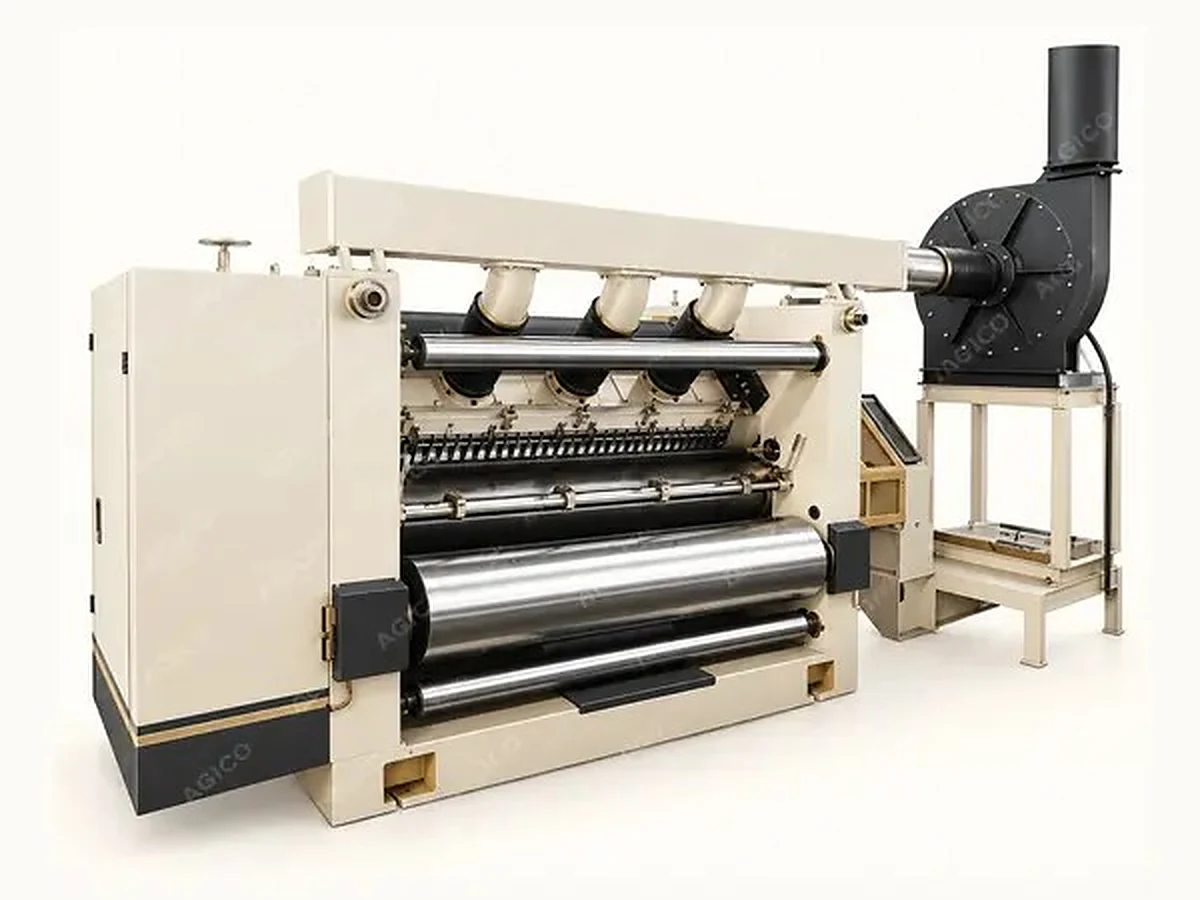
AGICO fingerless single facer machine with negative-pressure web holding and high-pressure fanSF-18 · SF-290S · SF-320C/360C/380C
02

Fingerless single facer machine

Vacuum paper holding

A fingerless single facer machine holds the corrugating medium against the corrugating roll with negative pressure through forming and adhesive application. It removes the conventional pressure-finger concept and gives a controlled web path through the critical forming zone. The supplied records include SF-18, SF-290S and the SF-320C / 360C / 380C series.

ModelsSF-18 · SF-290S · SF-320C/360C/380C
Roll diameter320 / 360 / 380 mm
Roll material52CrMo · HRC58–60
Design class150 / 180 / 200 m/min
Oil-electric heating single facer SF-10A with thermal-oil heating cabinetSF-10A
03

Oil-electric heating single facer

Alternative heat route

The SF-10A oil-electric type suits a project that needs a self-contained heat arrangement instead of a conventional heating furnace. The supplied record describes four electric heating-tube groups heating thermal oil, automatic temperature control in two groups, and a compact arrangement for small and medium production projects.

ModelSF-10A
Heat sourceThermal oil, electric
ControlTwo-group automatic
FitsCompact plant, no furnace
AGICO standard vacuum single facer with hood suction and high-pressure fanSF-10
04

Standard vacuum single facer

Focused entry configuration

The SF-10 record describes hood suction with a high-pressure fan and silencer, using 50CrMo alloy steel for a main corrugating roll of approximately 290 mm diameter. It is the simpler vacuum entry point, where the paper range and the flute list are narrow.

ModelSF-10
RollØ290 mm · 50CrMo
HoldingHood suction + fan
FitsSingle flute, stable mix
Choose by production needCompare all four single facer configurations with your paper and flute programme.
Compare the Four Types →
03 · Comparison

Configuration Comparison

Two ways to narrow the choice: type at a glance, then the feature-by-feature record

AType at a glance

This comparison uses the supplied technical records. It is deliberately specific: what changes in the machine architecture, and what still has to be confirmed for the final configuration.

Selection questionCassette type Fingerless / vacuumOil-electric heating
Main decision driverPlanned flute changes and roll-set handlingControlled vacuum web path, selected roll and drive, maintenance designAlternative heating infrastructure and compact project conditions
Representative source modelsSF-20, SF-30, SF-35SF-18, SF-290S, SF-380C / 360C / 320CSF-10A
Forming featureNegative pressure on the supplied cassette modelsHood-suction or negative pressure with adjustable air volume on the cited configurationsForming and heating configuration confirmed in the proposal
Service focusCassette trolley and a prepared roll-set procedureSide-shift or external maintenance arrangement, varies by modelHeating circuit, electrical controls and compact utility layout
Suitable next stepConfirm the flute portfolio and cassette quantityConfirm paper range, speed class, roll diameter and maintenance accessConfirm electrical load, heat medium and production target
B

Cassette vs. vacuum single facer: source-backed feature comparison

Cassette single facer production unit with its roll cassette on a change trolleyCassette
Cassette roll set · 320D / 360D / 405D
Fingerless vacuum single facer unit with hood suction and control panelFingerless vacuum
Vacuum hood · SF-320C / 360C / 380C
Main forming conceptNegative-pressure design; the supplied sheet describes the medium being pressed evenly and held against the corrugating-roll surface.Vacuum paper guidance with adjustable air volume, to hold stable formation as speed rises.
Corrugating-roll changeThe roll cassette is moved into the machine on an electric trolley and fixed at the machine base; the supplied sheet states about 15 minutes.This sheet defines vacuum guidance and pneumatic roll control rather than a cassette route; the roll and maintenance arrangement is specified per project.
Roll and pressure controlCorrugating and pressure rolls use a high-stability pneumatic control system.Upper corrugating, pressure and glue rolls use pneumatic lifting and control.
Glue processElectric glue-quantity adjustment and electric glue separation; the glue system can run while the main machine is stopped; a mobile glue system helps cleaning and maintenance.Automatic circulating glue supply, engraved and chrome-plated glue roll, electric glue separation; the glue section can run independently or with the main machine.
Web conditioningBuilt-in preconditioner with spray system, to adjust medium temperature and moisture.The vacuum guide path with adjustable air volume is the stated web-control feature.
Drive and lubricationThe final drive package is confirmed in the proposal.Oil-immersed gearbox lubrication, universal-joint transmission and high-temperature grease for the corrugating-roll and pressure-roll bearings.
Corrugating rollsRecorded diameters: 320 / 360 / 405 mm.Recorded diameters: 320 / 360 / 380 mm; upper and lower rolls in 52CrMo, heat treated to HRC58–60 and precision ground.
Design-speed classes320D: 150 m/min · 360D: 180 m/min · 405D: 250 m/min.SF-320C: 150 m/min · SF-360C: 180 m/min · SF-380C: 200 m/min.
Effective width1,400–2,500 mm.1,400–2,500 mm.
Best starting conversationFrequent flute changes, planned cassette handling, glue-section access and a spray preconditioner requirement.Vacuum web control, specified roll metallurgy and finish, the gearbox and drive concept, and a defined paper range.
Note

Design speed is not a guaranteed operating result. AGICO confirms the final speed target only after reviewing paper grade, basis weight, flute profile, heating, adhesive condition, width and the upstream and downstream capacity of the complete line.

Turn the comparison into a specificationShare your working width, paper grades, flute mix and practical speed target.
Review My Configuration →
04 · Working principle

Working Principle

Seven labelled parts, one continuous path from medium to bonded web

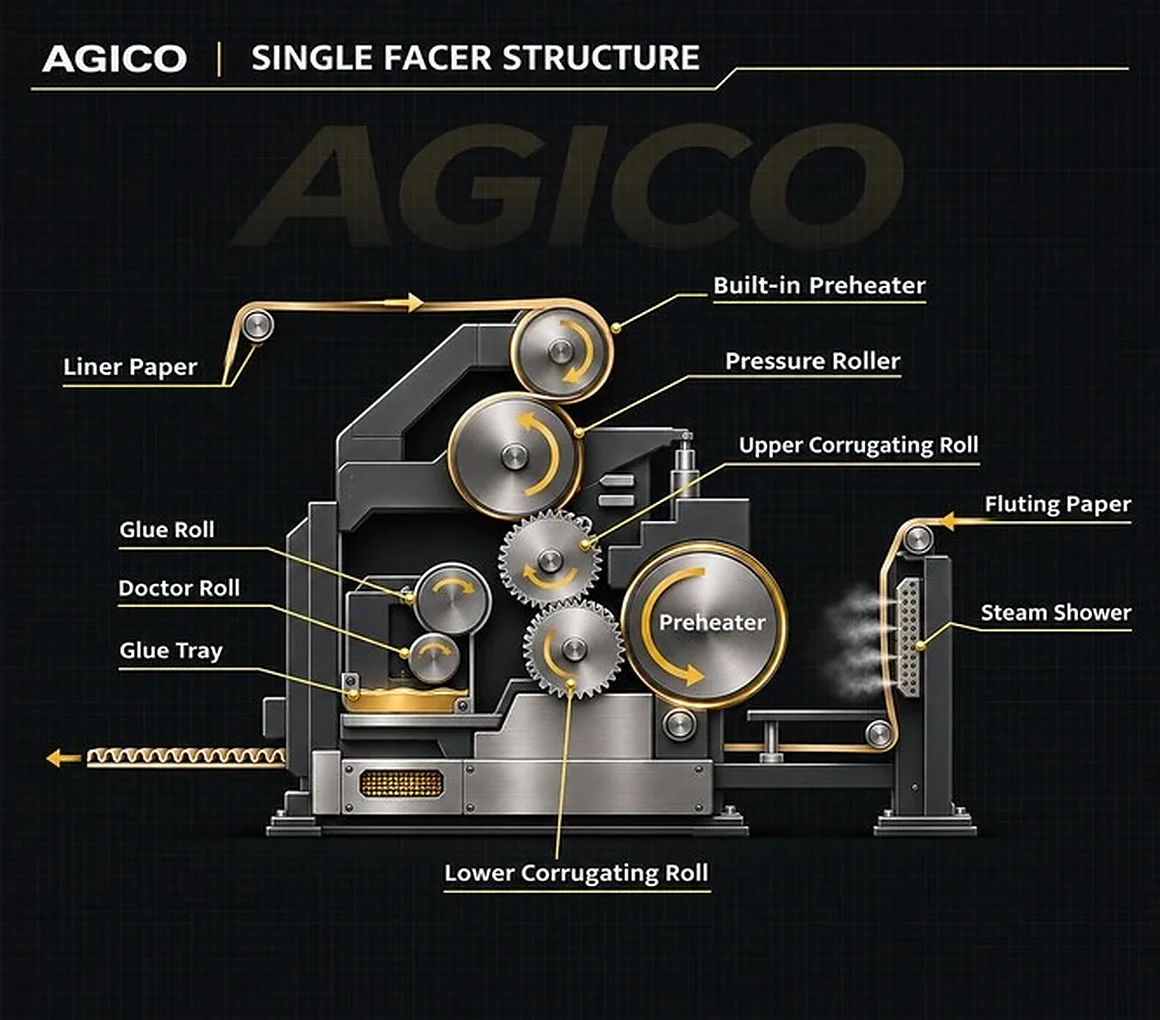
Single facer structure diagram: preheater, pressure roller, corrugating rolls, glue roll and doctor roll
01
Corrugating-roll setForms the flute profile from the corrugating medium.
02
Pressure rollPresses the liner against the adhesive-bearing flute tips.
03
Vacuum hood and fanHolds the medium along the roll in a negative-pressure system.
04
Glue roll and meteringTransfers a controlled adhesive film to the flute tips.
05
Preconditioner / sprayAdjusts web condition before and around forming, where configured.
06
Drive and gearboxDelivers synchronised torque and rotation to the machine.
07
HMI and safety controlsShows status, settings, alarms and operating functions.

Suggested visual sequence

01Paper feed
02Preheat / condition
03Corrugating-roll forming
04Vacuum holding
05Glue application
06Liner bonding
07Single-face delivery

Image brief: one verified AGICO single-facer photograph with callouts, not a generic stock corrugator, plus close-ups of the corrugating roll, the vacuum hood and the side-shift glue unit. Suggested alt text: AGICO single facer corrugation machine showing corrugating rolls, vacuum paper holding and glue application section.

Match the process to the boardConfirm how paper condition, flute forming, vacuum holding and glue control work together.
Discuss Paper and Flute Requirements →
05 · In-house roll shop

Corrugating Roll Manufacturing

Control the one component that fixes flute profile and paper consumption

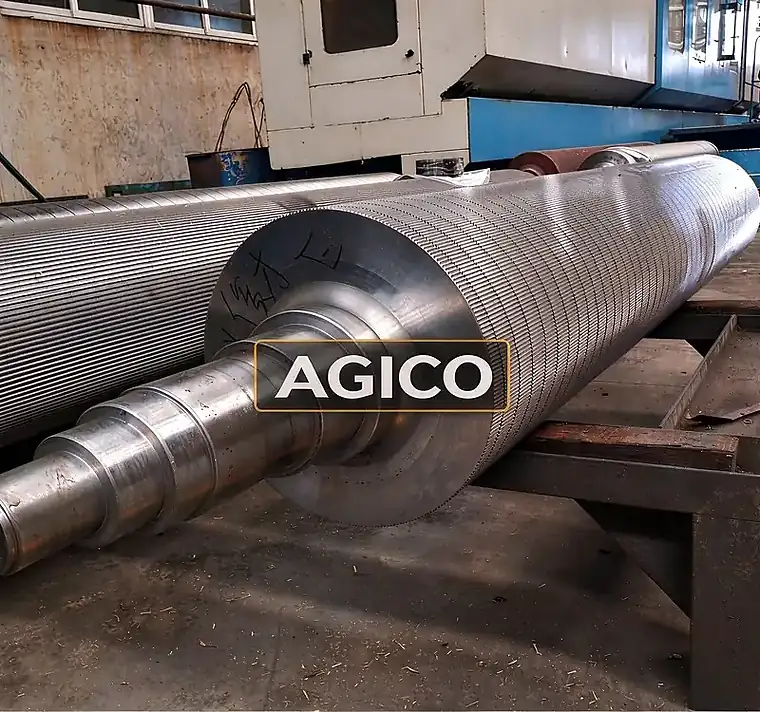
The corrugating roll is not a generic spare part. Flute profile, surface condition, hardness, runout and dynamic balance all act on flute formation, adhesive transfer, paper consumption and the stability of the single-face web. AGICO machines the roll in its own workshop and keeps the whole route in-house.

Corrugating roll body with its machined journal and shaft end
01Roll body with turned journal
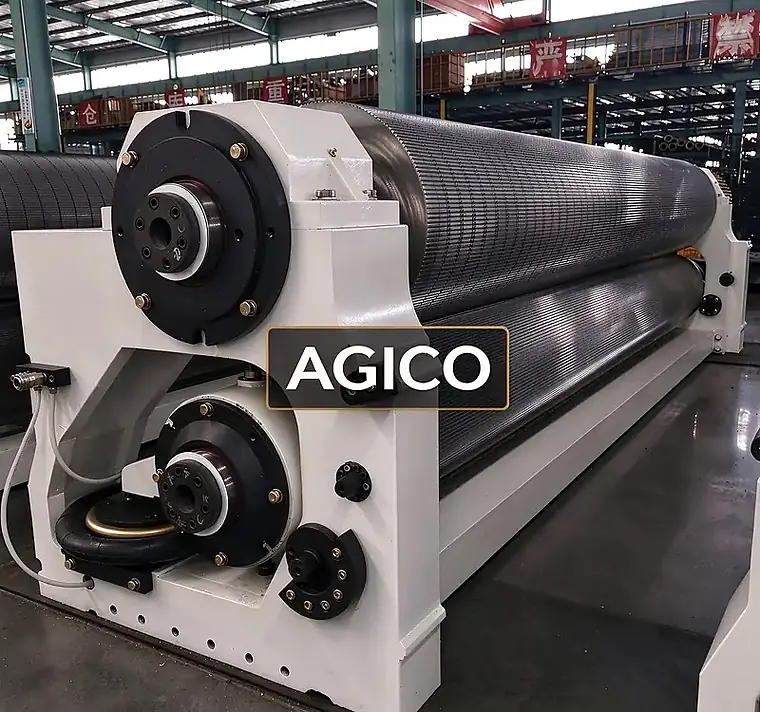
Corrugating roll mounted in its bearing housings before assembly
02Roll set in bearing housings
Corrugating rolls stored in the AGICO roll workshop
03Roll bodies in the roll shop
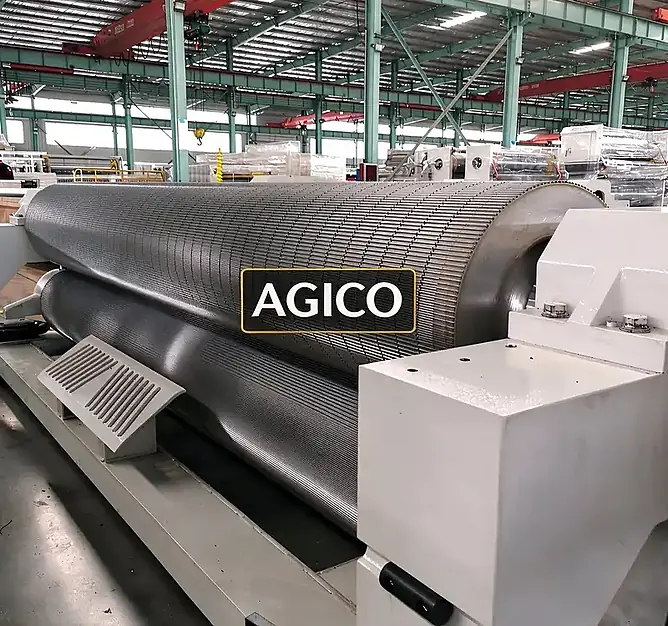
Machined flute profile of a matched corrugating roll pair
04Matched flute profiles

From alloy steel bar to finished corrugating roll

01 Material preparationAlloy-steel bars cut to length, then rough turned on a lathe.

Creates the controlled starting geometry for the roll body.

02 Strength treatmentQuench-and-temper heat treatment on the rough-machined roll.

Builds the strength needed for long-term rotating and forming duty.

03 Flute machiningCNC hobbing cuts the flute profile.

Supports accurate flute geometry and repeatable paper forming.

04 Wear-resistant surfaceTungsten carbide sprayed onto the roll surface.

Improves resistance to abrasive wear from continuous paper contact.

05 FinishingPrecision grinding and dynamic-balance correction.

Protects flute accuracy, stable rotation and board consistency.

06 Release inspectionFinal inspection and anti-rust treatment before release.

Confirms the roll is protected for handling and shipment.

What this means for your single facer investment

More controlled flute formation

A defined profile and precision finishing support consistent corrugating behaviour.

A wear-focused surface route

Tungsten-carbide treatment is chosen for wear resistance in continuous production.

A clearer quality trail

The principal roll processes stay inside one manufacturing route, not between unrelated suppliers.

Better configuration talks

Flute sets, roll diameter, surface treatment and spare cassettes are discussed together with the machine.

Specify the forming coreReview flute profile, roll diameter, surface treatment and spare-roll planning together.
Confirm Corrugating Roll Requirements →
06 · Definition

What is a Single Facer Corrugator Machine

The upstream unit that decides what the dry end is able to do.

The single facer is the core upstream unit of a corrugated cardboard production line. It converts flat liner and medium paper into single-face corrugated board — fluted paper glued to one liner sheet — and hands it over the bridge conveyor to the double facer for final 3-, 5- or 7-ply forming.

Single-face board quality — flute shape, glue uniformity, no crush — is decided by single facer performance. A weak single facer surfaces downstream as bad lamination, flute collapse and a high waste rate at the double facer, where none of it can be corrected.

01Liner + mediumFlat paper enters the line
02Single facerFlute formed, glued, held
03Bridge conveyorSingle-face web buffered
04Double facer3 / 5 / 7-ply board out
07 · Delivery

From Board Result to Release Gate

Three checks replace three chapters: what the machine must deliver, what the offer must state, and what is signed before fabrication.

01 · Board result

A flat, bonded web

Conditioning, forming, holding, gluing and handover act on one moving web. Weakness at any step arrives downstream as poor adhesion or irregular flutes.

Flute profileBasis weightSpeed target
02 · Offer scope

Compare scope, not price

A figure without roll scope, utility boundary, interface drawing and commissioning limit is not comparable. AGICO itemises those boundaries before manufacture.

Roll diameterCassette countUtilities
03 · Release gate

Four confirmations

Nothing reaches the shop floor until these are agreed on paper; commissioning then adjusts paper, glue, heat, tension and speed as one process.

Paper rangeRoll-change routeInterfaces
08 · Line position

Line Position

The corrugated single facer is one link in a chain; its scope becomes comparable only when the neighbours are named

01Mill roll standHolds and brakes liner and medium
02PreheaterBrings the web to process condition
03Single facerForms, glues and bonds the liner
04Bridge / tension controlBuffers the web between wet and dry end
05Glue machine / double facerBuilds 3, 5 or 7 ply board

Defining these interfaces is what makes a corrugated single facer a working part of a line instead of a stand-alone machine with unclear responsibility at both ends. A dedicated single-face line replaces the last two blocks with a slitter, cross cutter and collector: the machine scope is the same, the downstream boundary is not.

Define My Line Interfaces →
09 · Inputs

Required Information

What AGICO needs before the first reply can be a configuration

Board programme

What the machine has to make
  • Required flute profiles and the expected share of output by flute
  • Liner and medium basis weights, grades and recycled-fibre content
  • Effective width, trim pattern, output type and target practical speed
  • Expected frequency of order and flute-profile changes

Utilities and factory layout

What the building has to give
  • Steam, thermal oil or oil-electric heating; pressure, temperature and capacity
  • Electrical voltage and frequency, compressed air, water and drainage
  • Floor plan, machine direction, maintenance space, cassette trolley route and lifting access

Scope of supply

Where the supply boundary sits
  • New line or retrofit, with upstream and downstream interface details
  • Control language, electrical standard, safety requirement, spares and operator training
  • Delivery scope, installation support and commissioning responsibility
10 · Questions

Frequently Asked Questions

The five questions that come up in almost every single facer enquiry

Neither is automatically better. A cassette single facer is selected when roll-set changes and flute-profile flexibility are central production requirements. A fingerless single facer machine is evaluated for vacuum web control, the chosen roll and drive configuration, maintenance design and fit with the required paper and speed range. AGICO recommends after reviewing the full requirement.

The supplied records include design-speed classes from 150 m/min to 300 m/min across different models and configurations. Achievable operating speed depends on paper quality, flute profile, width, heating, starch condition, tension, upstream feed and downstream line capacity. The contract specification should state the agreed design conditions.

Yes. A cassette configuration is particularly relevant when several profiles must run. AGICO needs the flute list and the output mix to define the corrugating-roll and cassette scope.

The vacuum system helps control the medium on the roll, but suitability still depends on basis weight, moisture, stiffness, flute type, temperature and running speed. Send the paper range and the configuration can be reviewed against it.

AGICO can plan the paper-feed, preheat, bridge and tension, gluing, double-facing, cutting and stacking equipment as one corrugated-board system. The final scope depends on the required board construction and the plant layout.