
Existing-Line Assessment
We review width, speed, utilities and the surrounding process before selection.
Upgrade the process stage that limits your board line.
Compatible replacement and retrofit modules for roll handling, corrugating, bonding, cutting and stacking—matched to your line width, speed and interfaces.
We review width, speed, utilities and the surrounding process before selection.
Mechanical, electrical and control connections are configured for your corrugator.
Production progress and factory acceptance evidence are available before packing.
Replace the bottleneck while protecting the useful equipment already in your line.
Six things we can evidence before an order, and the limit of each one.
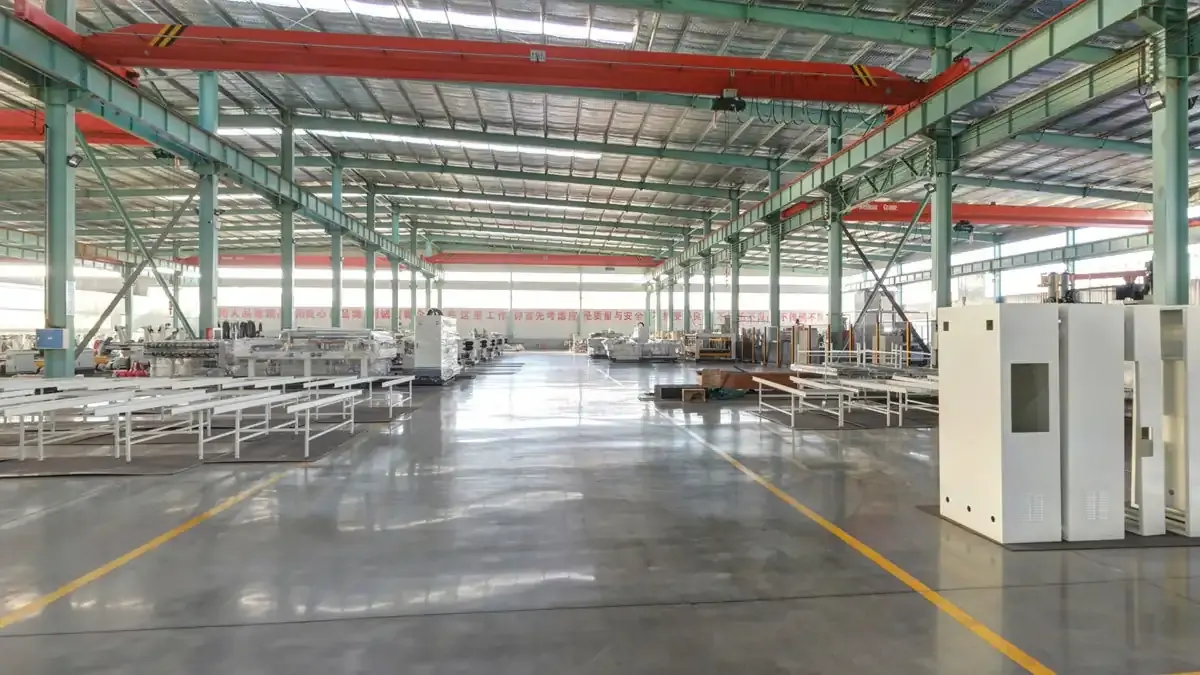
The machine, its interfaces and the support scope are reviewed as one retrofit project. Each commitment is tied to the approved technical proposal.
Discuss Your Machine Requirement →Core corrugator modules are manufactured and inspected through our documented production process. Machining, assembly and inspection evidence is available with the technical proposal.
Before quotation, we review the existing line's drawing, width, speed, process position, drive and control interface and site conditions to define the mechanical and electrical adaptation scope.
Working width, drive arrangement, heating interface and control integration can be evaluated for adaptation to an existing corrugator layout. Every modification is confirmed in the approved technical proposal.
Installation guidance, commissioning and operator training are scoped by project. We recommend a commissioning-spares list for wear items such as blades, glue-system parts and rubber-covered components.
Compare configuration, performance requirements, integration scope, service and lifecycle parts — not price alone — when weighing a module replacement against an incumbent-brand option.
Compliance and safety documentation is confirmed for the specific machine configuration and destination market. CE documentation is stated only for configurations that carry it.
On-site support is subject to project scope, destination and practical travel and visa conditions. Compatibility is confirmed only after a technical review of your line data.
Start with the two board-forming units: the single facer corrugation machine and the double facer corrugated machine.
Choose the stage of corrugated board production you need to improve, then compare the available machine functions and configuration scope.
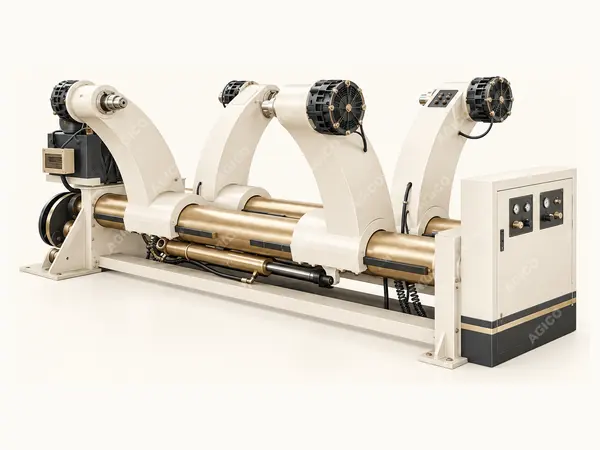
Position and unwind paper reels with hydraulic loading and controlled reel handling. Add an automatic splicer where a configured non-stop reel change is required.
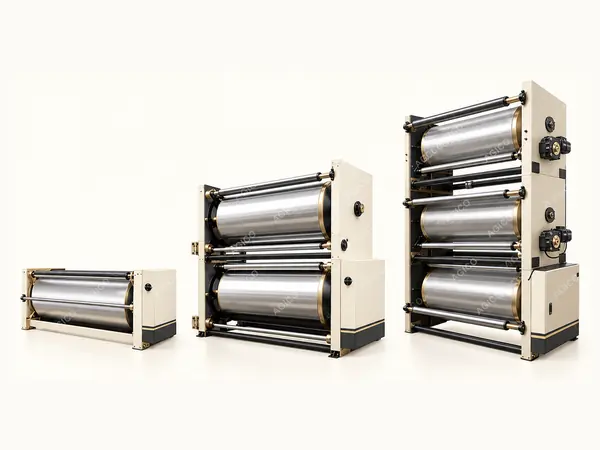
Condition paper before corrugating to support bonding stability and more consistent board formation.
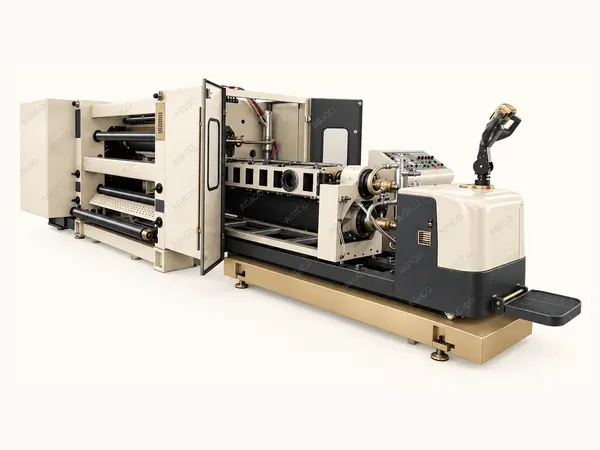
Form the fluted medium and bond it to liner paper to create the single-face web. Select flute profile and cassette configuration around the board program.
View Product →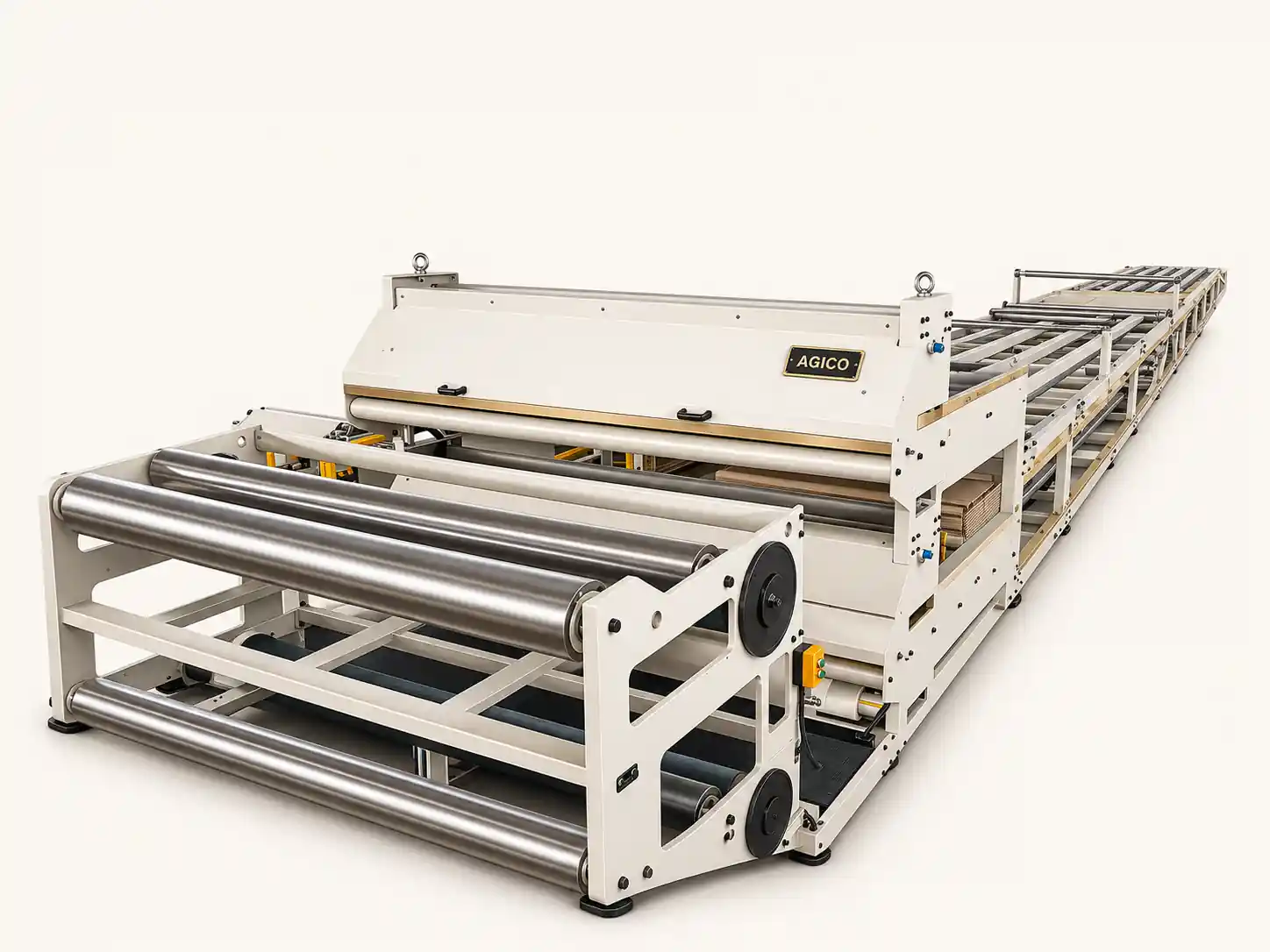
Buffer the single-face web and support web guiding, tension control and process stability between the wet and dry ends.
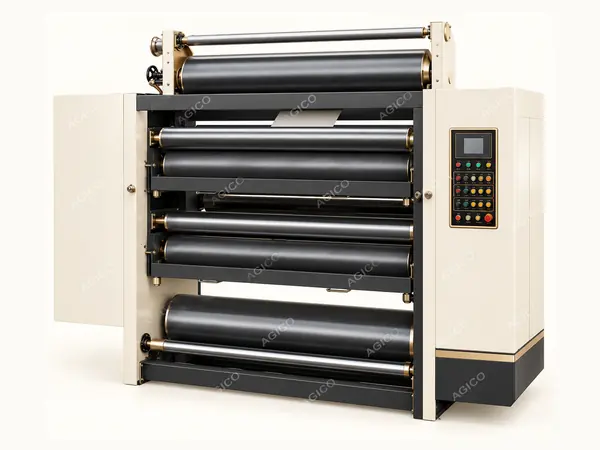
Apply starch adhesive consistently before board bonding; specify the unit around board structure and line configuration.
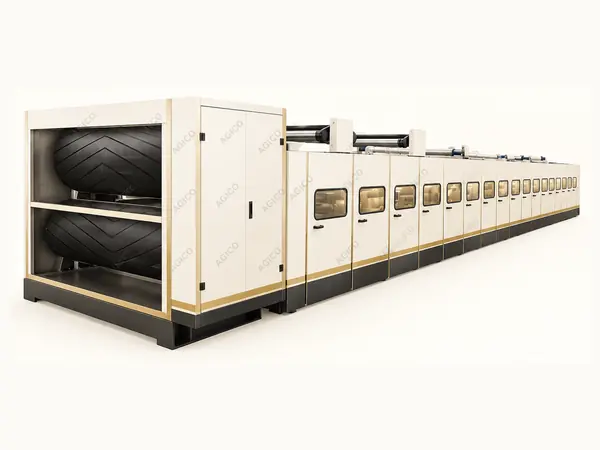
Use controlled heat and pressure to bond layers into finished corrugated board, with cooling or conditioning sections where configured.
View Product →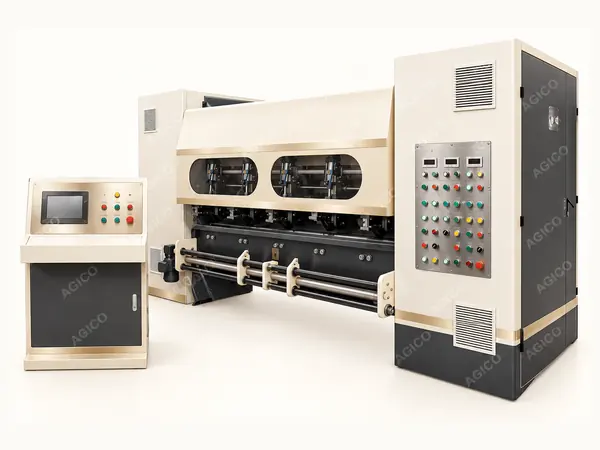
Slit board to width and score fold lines for the required finished-carton format.
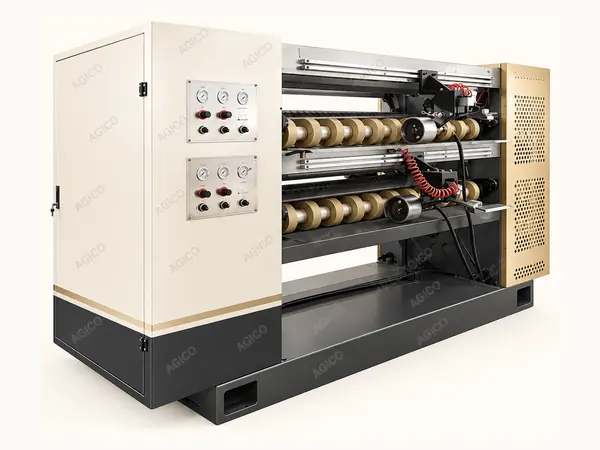
Cut the continuous board web to programmed sheet lengths and synchronise with the dry-end process.
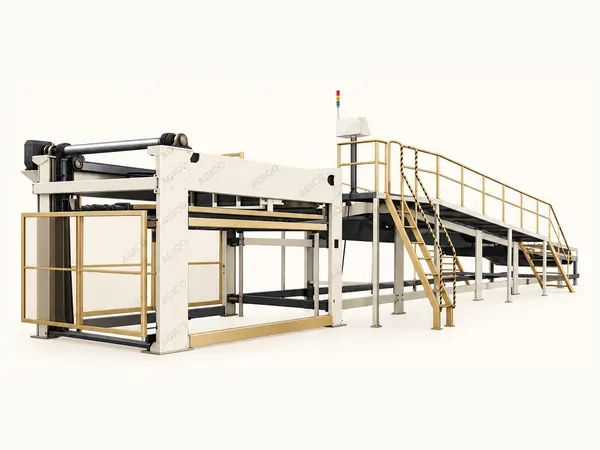
Count, separate and stack finished board sheets for efficient downstream handling.
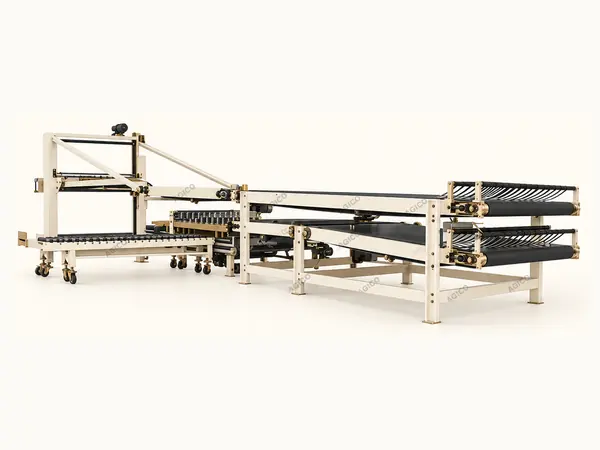
Configure starch preparation, central controls and applicable utility or handling systems for a reliable corrugator operation.
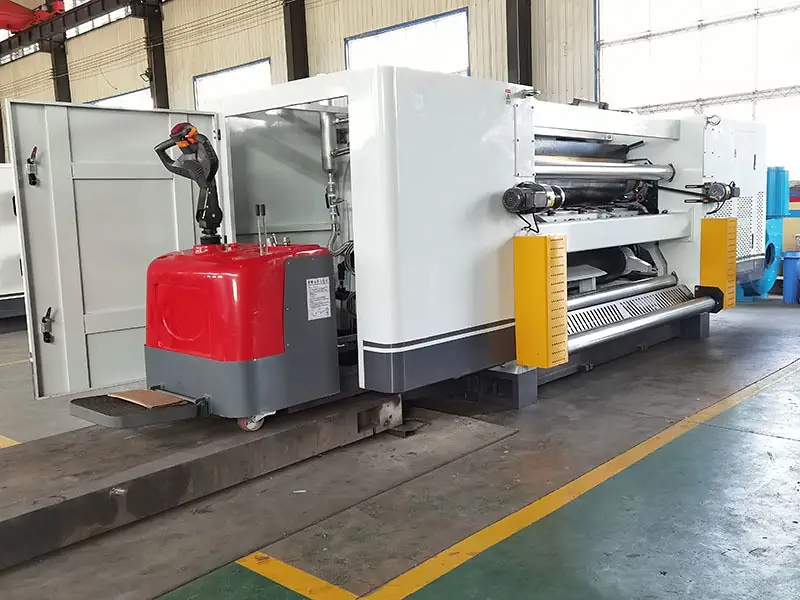
Three representative scopes from retrofit enquiries. Customer references and project files are shared on request, with the host line's own data. AGICO retrofit work focuses on the module that constrains the line — such as a single facer, slitter scorer or stacker — so factories can address reliability, handling or board-converting accuracy without replacing the entire corrugator.
 01
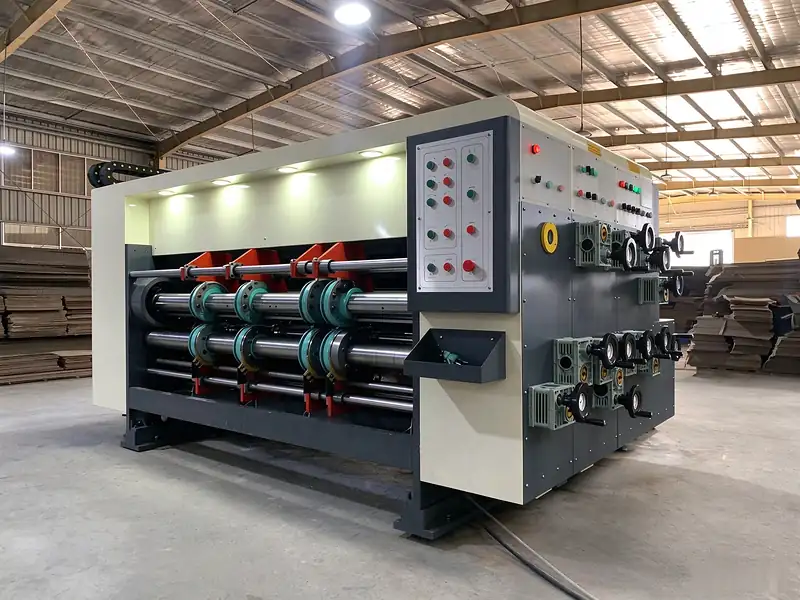 02
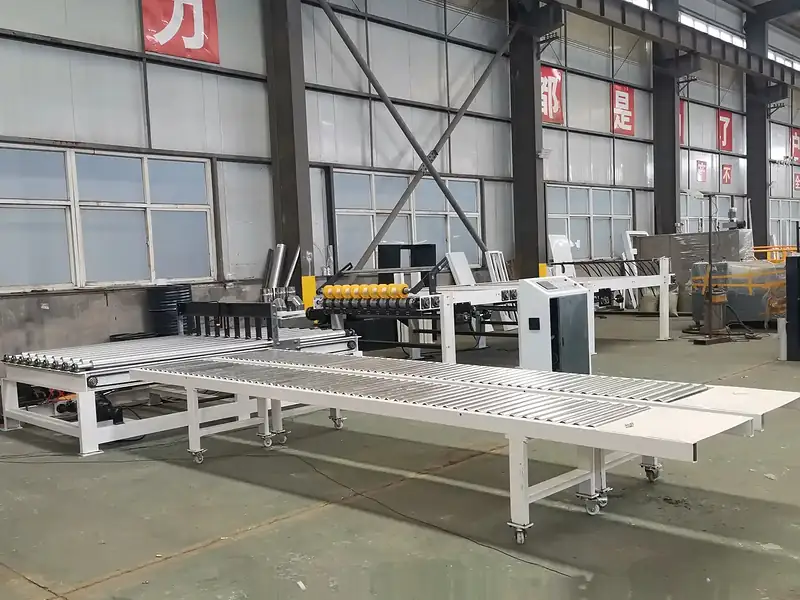 03
Scope, not performance claims: speed and waste outcomes depend on the host line, so they are only stated where a project file documents them. Ask for the reference list if you want to check a specific module.
A corrugated cardboard production line combines paper preparation, flute forming, adhesive application, bonding, cutting and stacking equipment. Separate machines can be selected to replace an ageing unit, remove a production bottleneck or adapt an existing corrugator to a new board program without purchasing a complete new line.
The final configuration is reviewed against the host line's working width, speed, paper path, heating method, drive arrangement, controls and available utilities.
Lower investment cost vs full new line.
Upgrade only weak parts.
Quick installation and less workshop reconstruction.
Compatible with most mainstream corrugator brands, subject to technical review.
Independent spare parts supply and local support where included in the project scope.
Modified according to your old line parameters and approved interface scope.
If the project requires a complete wet-end and dry-end scope, compare a full corrugated carton production line.
We evaluate compatibility from your line layout, working width, running speed, drive interface, control system and utilities before confirming a proposed configuration.
Four steps, and the first one is the only one that takes real work on your side.
Send My Existing Line Details → Drawings and photos can follow by email after the first reply.
Compatibility depends on working width, line speed, flute profile, mechanical interfaces, drives, controls and site utilities. Share your existing data for a technical review.
Provide the line layout, existing module nameplate, working width, design and running speed, board types, utilities and clear interface photos.
Installation and commissioning support are defined according to the project scope and destination. Confirm the required site work and training in the technical proposal.
AGICO can assess adaptation requirements such as working width, drive arrangement, heating interface and controls. The final scope must be confirmed after technical review.
Lead time varies by module, customisation, testing requirements and order schedule. It is quoted only after the configuration is confirmed.
Request a recommended commissioning and wear-parts list with your quotation. Availability and scope are confirmed for the specified module.